


Our Services
CUT GRASS & EDGES
REMOVING VINES & LARGE WEEDS
SMALL TREES AND ANNOYING
PLANTS
NEW FOR JUNE 2023
Landscaping for the Late Bloomers: You have been looking at the same,
tired yard and you want to see it pop!
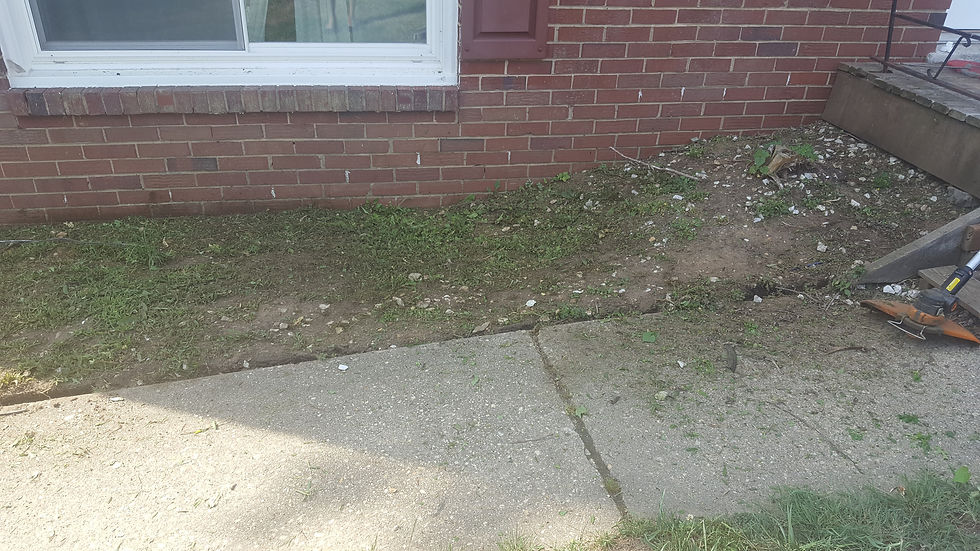

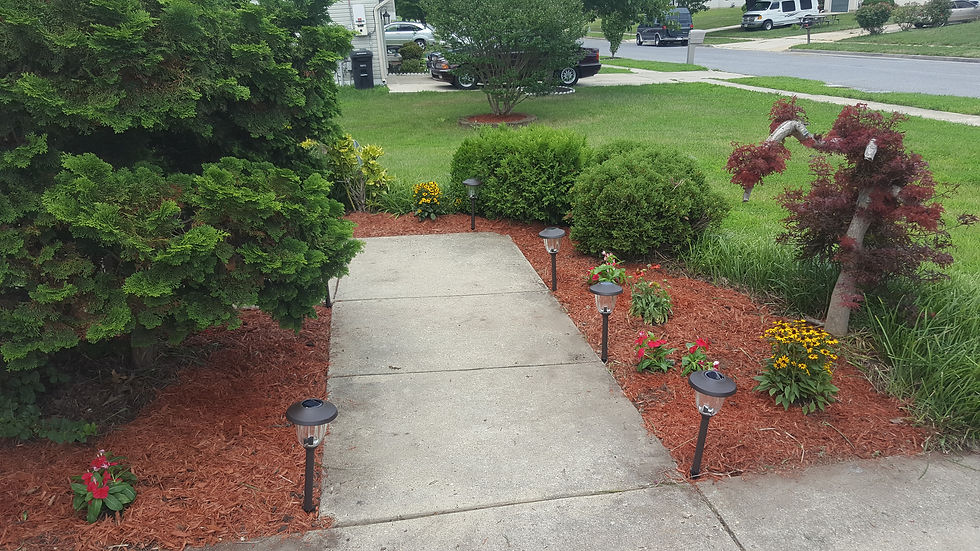
After
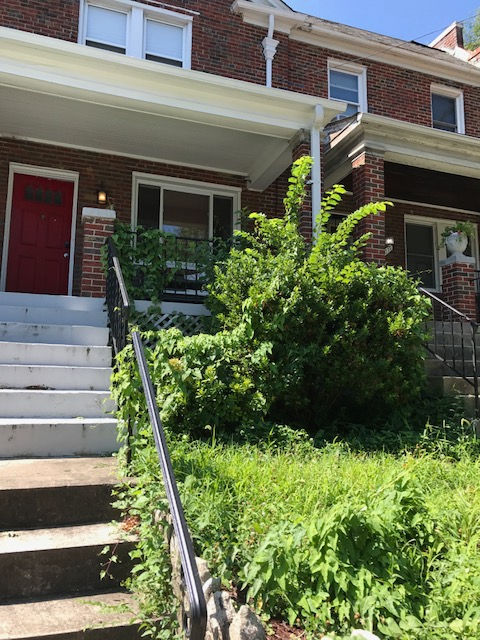
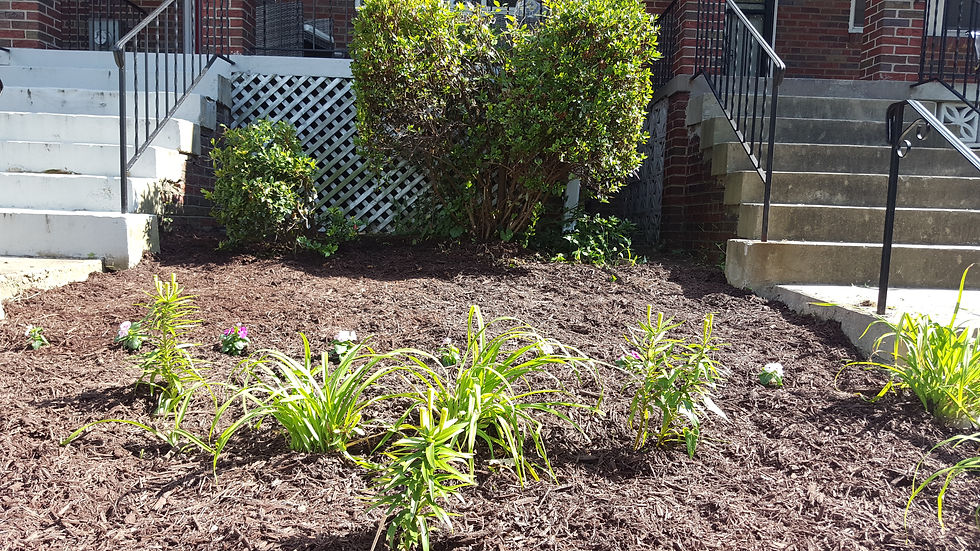


Neighborhoods cont...
Most of Prince Georges County
Eastern Fairfax County
Northern Charles County
Southern Montgomery County
S.E DC

New Tips and Tricks for your yard maintenance
Planting areas
Some plants require constant attention, while others won’t add anything to your landscape maintenance. Check on the condition of your plants during spring.
Covering ground with organic mulch will help soil retain moisture and keep weeds at bay.
After the first hard freeze, cut back plant branches and cover them with mulch.
Many flowers do better when you dead-head them (i.e., pinch off spent blooms), which encourages new growth.
NEED TO FIND A PRO FOR YOUR LANDSCAPE MAINTENANCE?Find Pros
Insect control
Sometimes a plant can be washed clean with a strong stream of water. Many garden centers sell insects such as ladybugs to get rid of bugs and worms.
Chemicals are also an option; however, use extreme caution when applying them.
Consider using household “natural” chemicals to control insects. For example, placing a shallow plate filled with beer in your slug-infested garden usually will attract and kill these pests.
Weeding
Removing the entire weed by its roots is the surest way to get rid of it.
Herbicides do work, but use caution when applying. They will not only kill the weed, but also other nearby plants.
Keep weeds to a minimum by covering the soil with an inch or two of mulch.
Weed prevention
An inch-thick layer of mulch will keep your planting beds relatively weed-free.
Grass is a plant that grows thick and bushy when healthy and will usually choke out any other weeds.
Some chemical fertilizers come with a “pre-emergent,” which kills the seeds in the spring when the plants are dormant.
Mowing
Don’t cut grass too short. Longer grass is healthier and retains water better.
Many mowers come with a mulching option that cuts grass into tiny bits and returns it to the lawn. This returns important nutrients to the soil, and reduces the need for fertilizer.
Leaf removal
Remove all leaves from grassy areas. The layer of leaves can restrict the amount of light reaching the lawn and trap water near the roots.
Fertilizing
Depending on your climate, fertilize your lawn and growing beds two to five times per growing season. Both chemical and organic options are available.
Hedge and tree trimming
Shrubs and trees require seasonal pruning. Prune away dead branches as well as live branches that are getting out of control.
Many hedges need to be re-shaped several times during the summer, but never prune or trim during the fall. This will stimulate growth during a time when plants should be in their dormant phase.
NEED TO FIND A PRO FOR YOUR LANDSCAPE MAINTENANCE?Find Pros
Sprinkler maintenance
Winterize your sprinkler system during the fall by draining or “blowing out” the water from the pipes and turning off the timer.
In the spring, you’ll need to re-start the system by turning on the timer and the master valve.
Spring clean-up
Rake out the leftover leaves and trash that has built up over the cold months.
Consider applying a fresh layer of mulch to protect fresh shoots from frost. Over time, mulch will work its way into the soil and revitalize it. Choose mulch made of small organic pieces like “bark fines” or recycled cocoa shells. Mulch made from larger wood pieces such as cedar strips or aspen will take longer to break down.
Thatching
Thatch is a layer of dead grass that builds up over time just above the soil surface and needs to be removed.
Aerate regularly and de-thatch in the spring while the lawn is still dormant.
Core aeration
Aerate your lawn at least twice a year to allow air and water to cycle in and out of the soil.